IIDR - The International Institute for Democratic Resilience
"Democracy Needs More Than Hope. It Needs Collaborative Capacity."
The International Institute for Democratic Resilience at Beit Berl Academic College is an executive fellowship for social leaders working to strengthen democratic life through effective collaboration.
Each cohort brings together selected Fellows from different organizations, sectors, and communities — leaders with a proven track-record in advancing democratic resilience in the field. At the Institute, they learn a distinctive applied model for building effective collaboration and immediately put it into practice by developing ambitious joint initiatives that no single organization can achieve alone.
This is what makes IIDR unique: it does not stop at learning about collaboration. It creates the conditions to build it, test it, and implement it where democratic resilience most needs it.
Explore the Fellowship
IIDR teaches collaboration not as an abstract value, but as a structured, applicable method for working across organizations and communities.
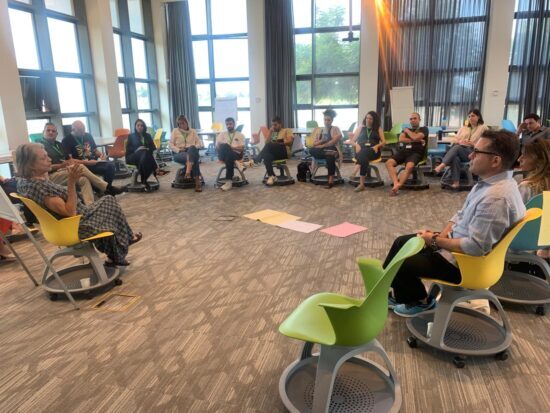
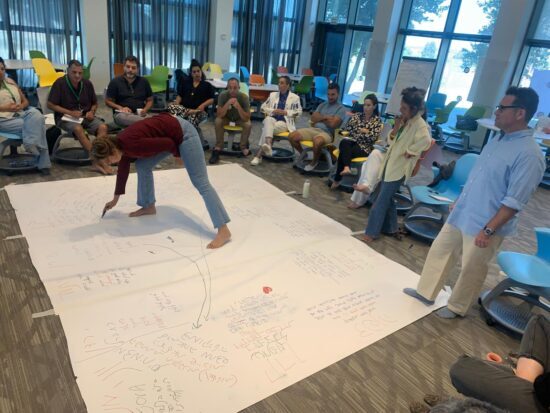
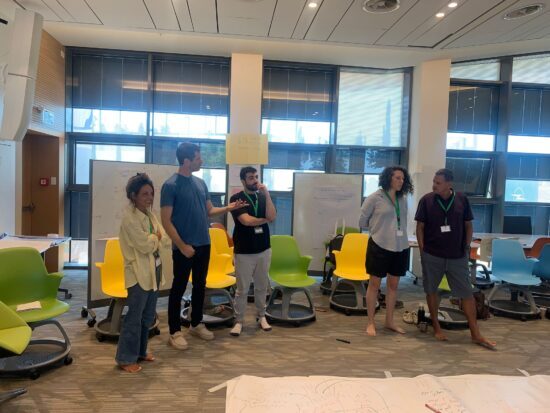
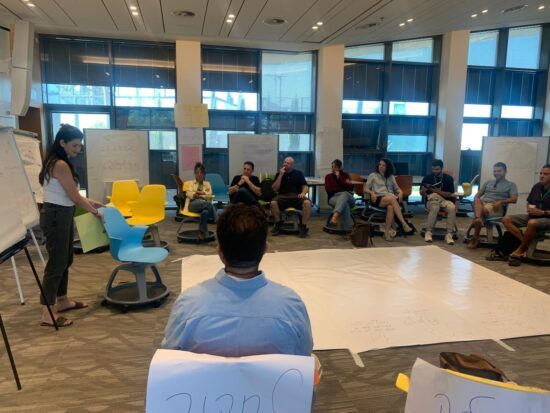
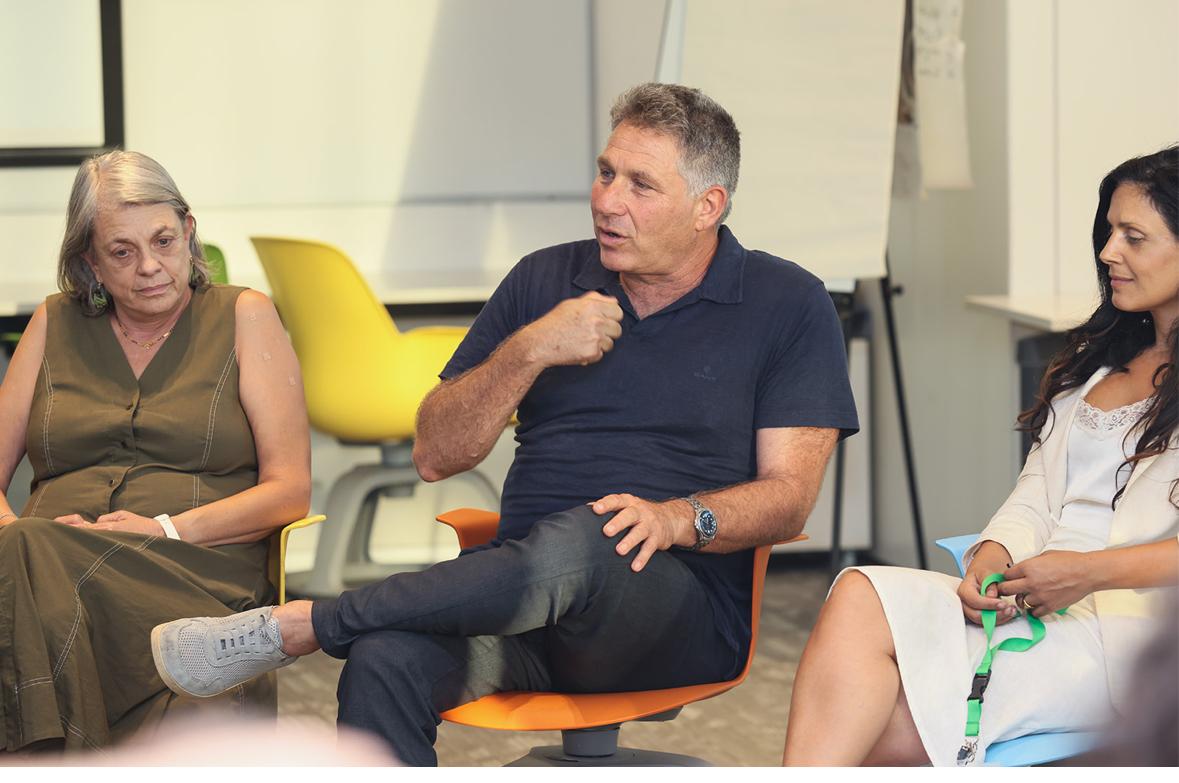
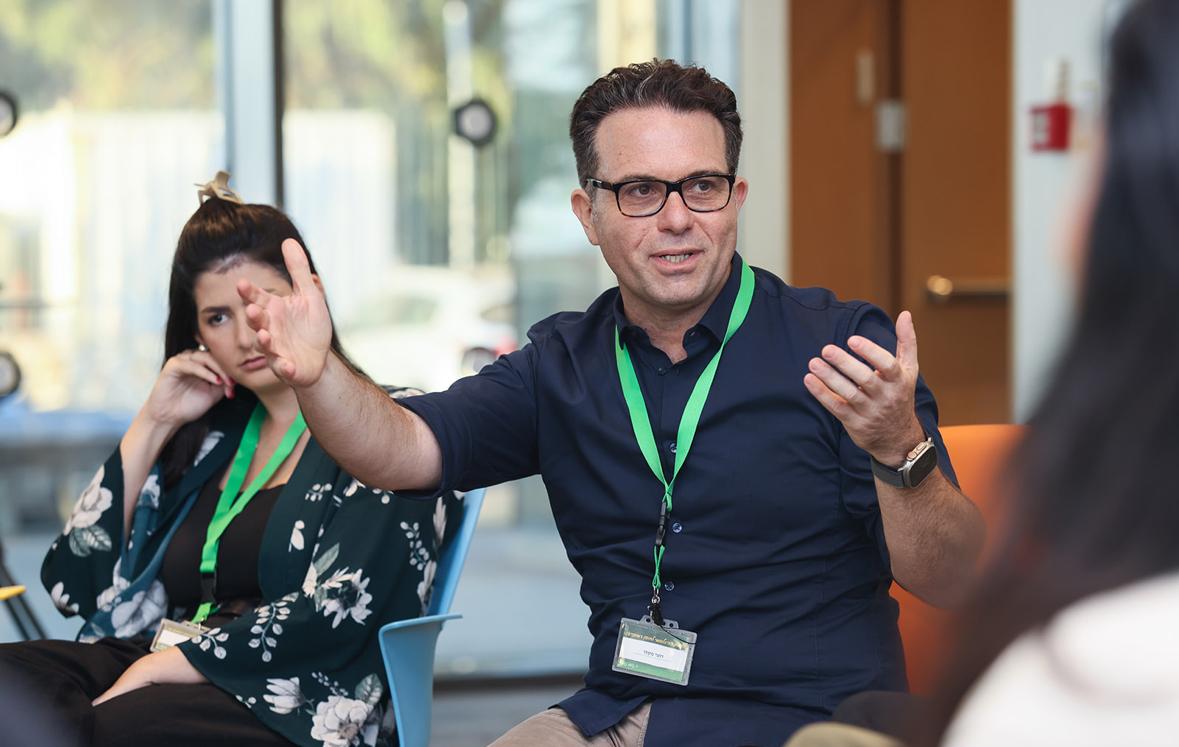
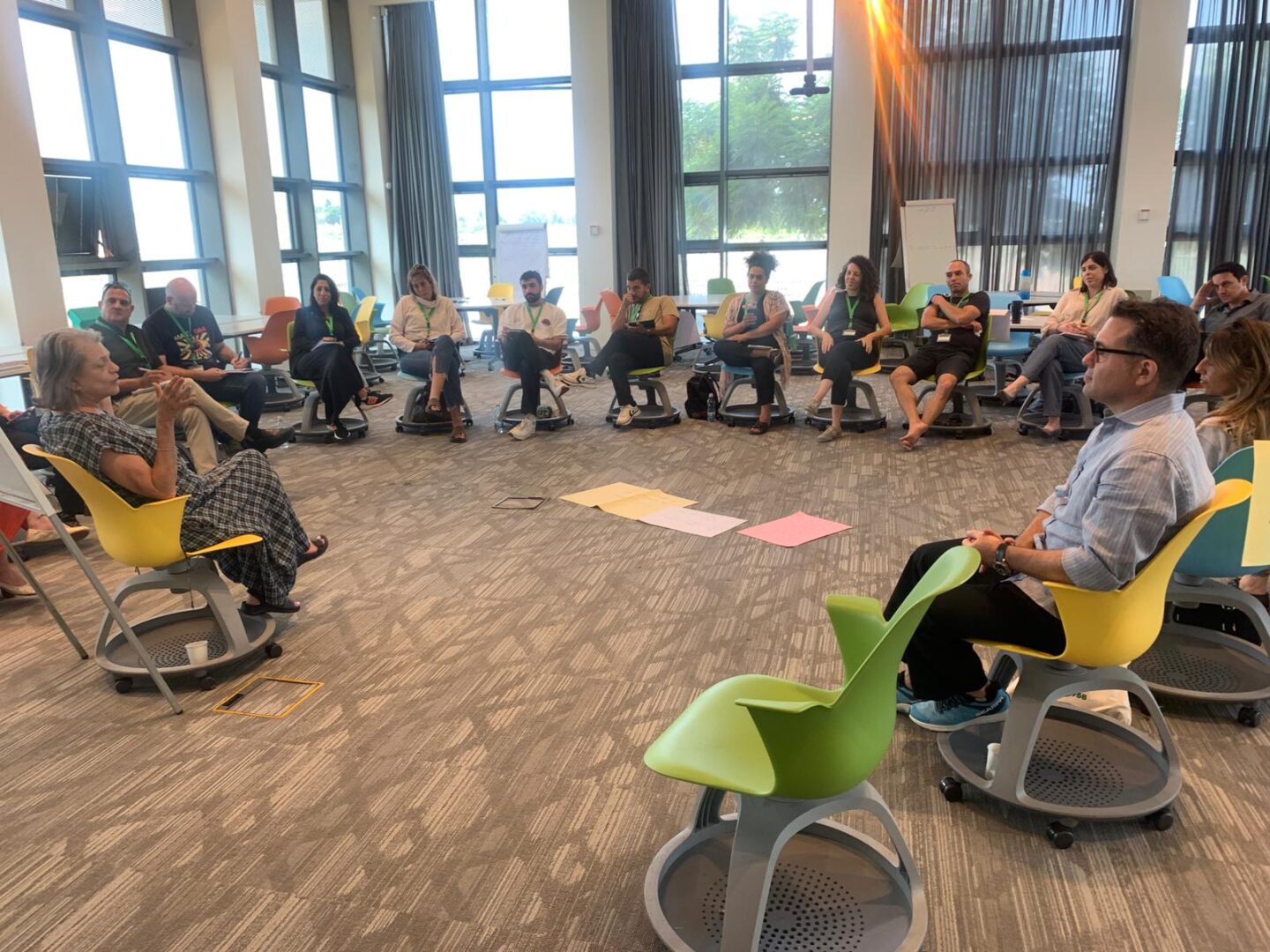
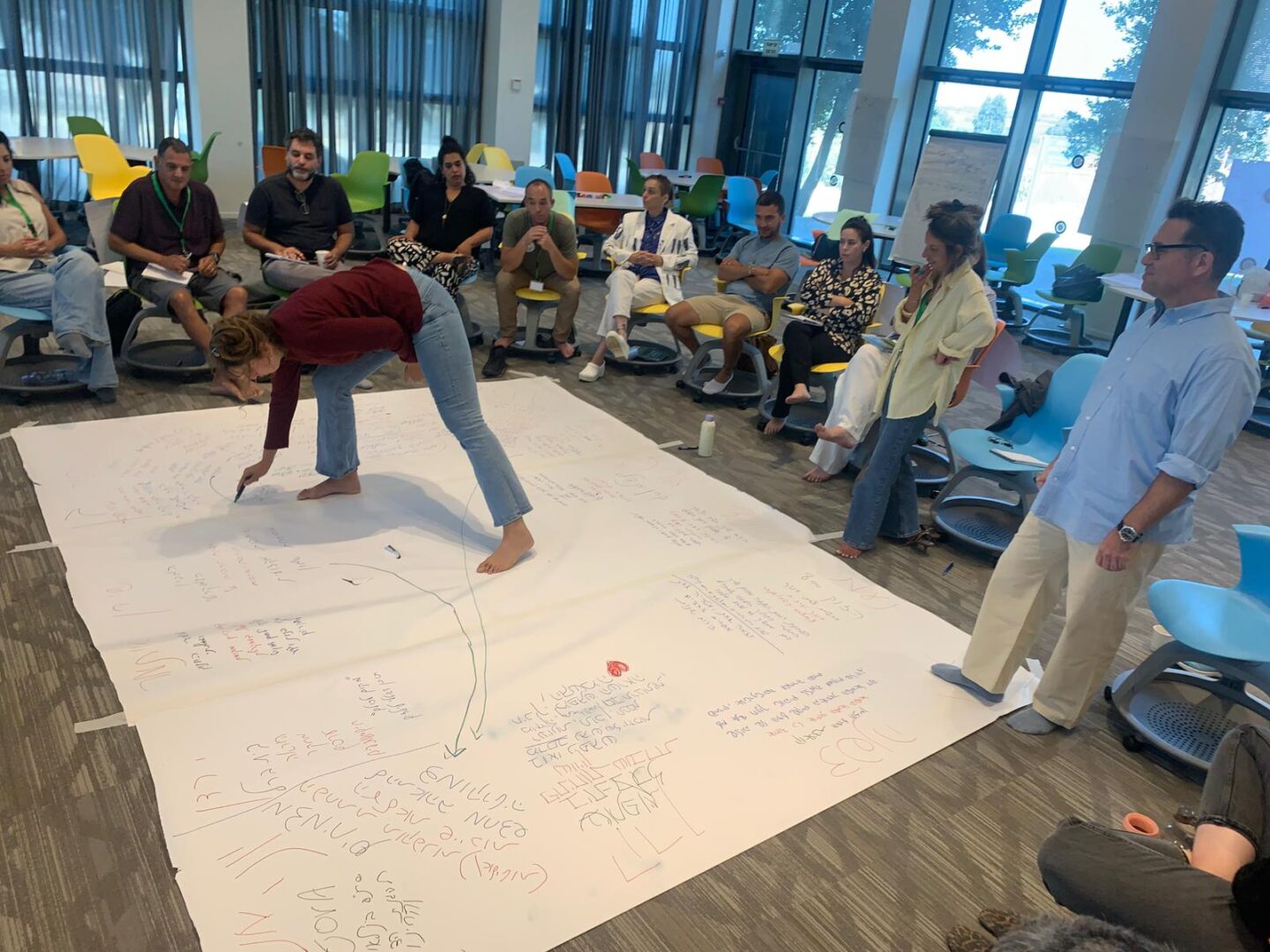
A Fellowship in Action
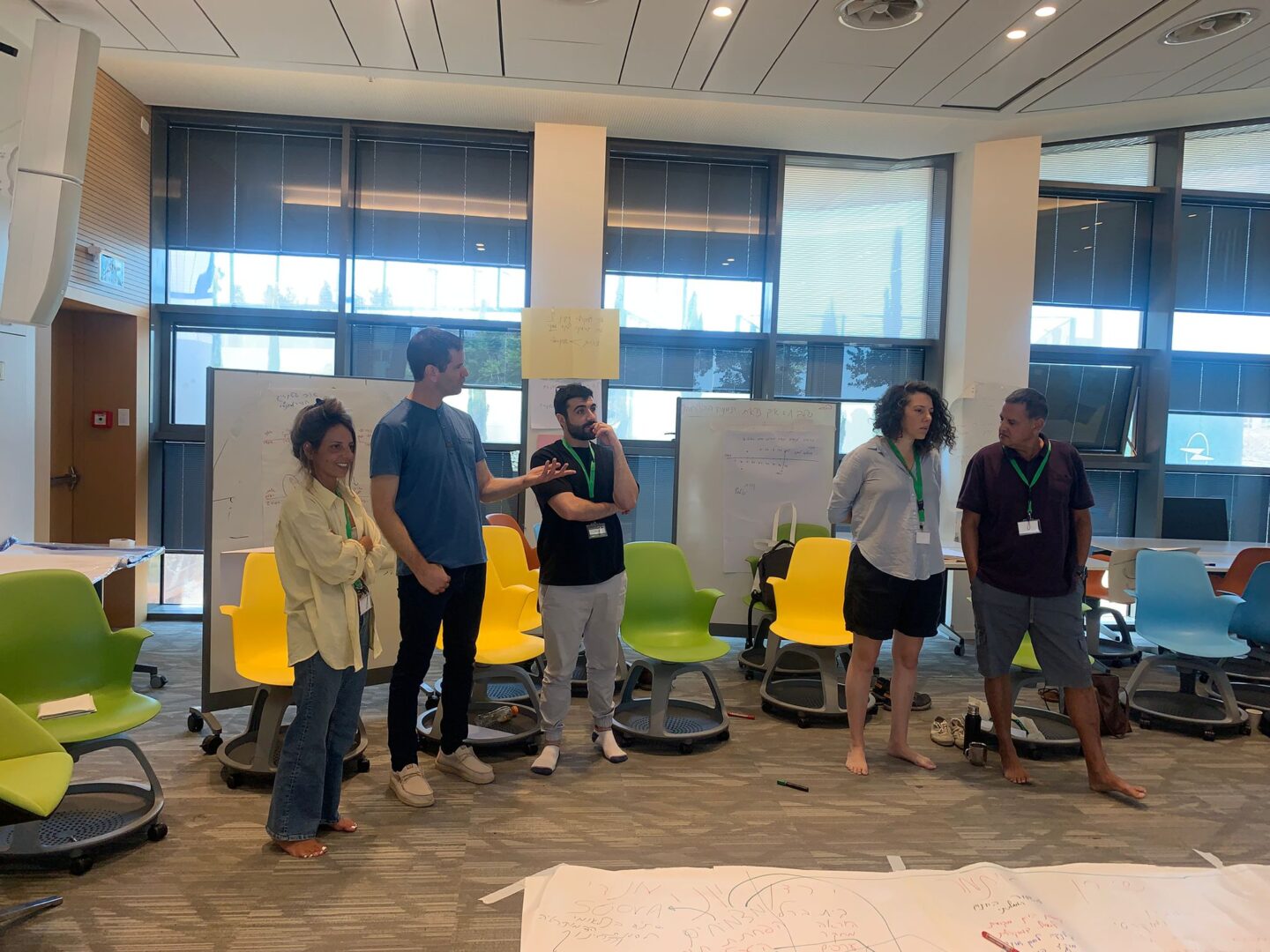
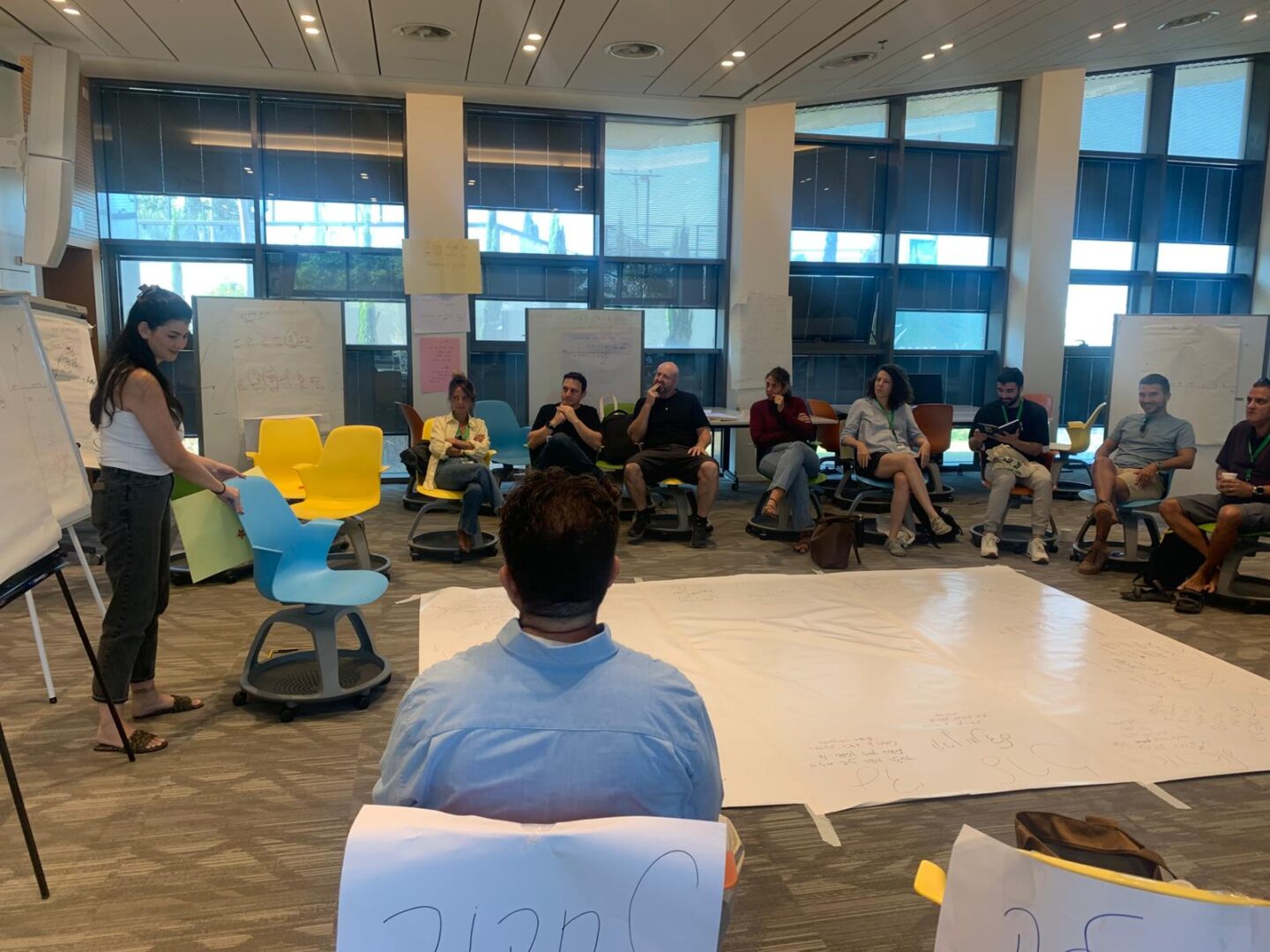
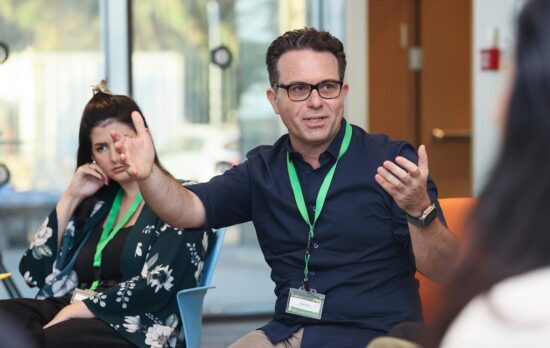
Fellows learn the model, form initiative teams, and develop real projects with real seed funding for implementation in the field.
A Double Impact Model
The Institute strengthens democratic resilience in two ways at once: by developing change TTT agents and by advancing initiatives with real civic effect.
Contact us

Esq. Roi Mekler – IIDR Founding Director
-
roi@mekler.co.il
-
+972-509988922
-
המכון הבינלאומי לחוסן דמוקרטי


Social Media

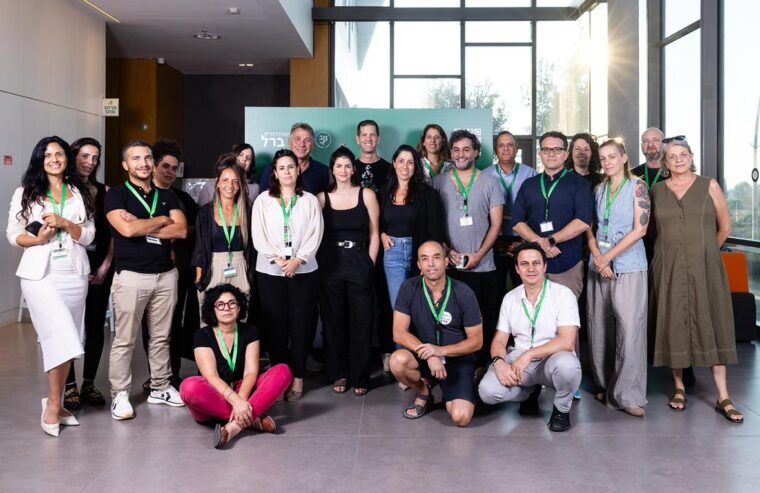
IIDR is built around a carefully selected fellowship of leaders who are already working to strengthen civil society, public leadership, education, and democratic culture. Fellows are chosen not only for their promise, but for the fact that they are already carrying responsibility, leading organizations, and driving change in complex environments.
What they gain at IIDR is far more than a peer network. They gain a rigorous, field-tested model for building effective collaboration under real conditions: across institutional boundaries, social differences, competing agendas, and public pressure.
The Institute is designed for leaders who understand that democratic resilience cannot be built by isolated organizations acting alone. It requires new forms of collaboration — practical, disciplined, cross-sector, and capable of producing meaningful shared action.
From Learning to Applied Collaboration
IIDR’s core contribution is a distinctive applied learning model that combines structured study with real-world implementation.
Fellows begin by learning an advanced protocol for building effective collaboration. The model focuses on mission clarity, trust-building, role definition, shared ownership, coordinated action, and disciplined execution. It equips participants with a practical framework for creating cooperation in environments where collaboration is necessary, difficult, and often fragile.
The dynamic learning does not remain theoretical.
As part of the fellowship, Fellows are divided into initiative teams composed of leaders from different organizations and fields. Each team is tasked with building an ambitious project that strengthens democratic resilience and that could not be effectively carried out by any one of their organizations alone.
This is the heart of the IIDR method: learning is immediately tested through collaboration in practice.
The result is a model in which Fellows do not merely discuss effective collaboration. They experience it, build it, refine it, and apply it together in the service of a real impact mission.
A serious method for a serious challenge
IIDR is built around one central insight: Democratic resilience depends not only on values, vision, or goodwill, but on the practical capacity to build effective collaboration among people and institutions that do not naturally operate together.
That capacity is rarely taught in a structured, and applicable way.
IIDR addresses both a wicked problem and a critical gap: democratic societies urgently need collaboration, yet few leaders are taught how to build it effectively.
Applied
The learning is immediately translated into real cross-organizational work.
Cross-sector
Fellows come from different institutional and social locations, making the collaboration itself part of the learning.
Mission-driven
Teams are organized around ambitious democratic challenges, not around abstract exercises.
Implementation-oriented
Fellows’ initiatives receive seed funding so they can move from design to action.
Transferable
Fellows leave with a practical method they can bring back to their own organizations, partnerships, and wider networks.
Learning that produces implementation. Implementation that deepens learning.
IIDR is designed to create two forms of impact at the same time.
*The first is educational and leadership-based. Fellows gain a sophisticated and transferable method for building effective collaboration. They strengthen their ability to lead across difference, align diverse actors, and create the kind of shared action democratic life increasingly requires.
*The second is civic and practical. Through the initiative teams, the Institute helps generate real projects that address urgent democratic challenges through cooperation among multiple organizations. These initiatives are designed not only to be thoughtful, but to be implemented, tested, and embedded in practice.
This dual structure is a distinctive strength of IIDR, allowing the Institute to develop leaders while already generating successful initiatives and meaningful civic impact through collaboration.
It means that IIDR is not only training leaders. It is also producing public-facing initiatives with meaningful civic value.
It means that Fellows are not merely learning the model – they are applying it to build real initiatives and equipping their peers to carry it forward.
It means that the Institute contributes both to the development of people and to the strengthening of democratic resilience on the ground.
A model designed to spread
IIDR creates impact beyond the Fellows’ cohort itself.
Because Fellows return to their organizations with a tested and practical collaboration framework, the Institute also functions as a train-the-trainer platform. Participants become carriers of the method — able to adapt it, teach it, and apply it in wider professional and civic settings.
This expands the Institute’s reach far beyond the walls of our fellowship.
The model helps develop a growing network of change agents who are able not only to lead their own work more effectively, but also to strengthen the collaborative capacity of the institutions, partnerships, and ecosystems around them.
In this way, IIDR creates impact at multiple levels:
within the Fellow, within the initiative team, within participating organizations, and across the broader democratic field.
Leadership, Faculty, and Advisors
IIDR is led by practitioners, educators, and strategic partners committed to strengthening democratic resilience through applied collaboration.
Esq. Roi Mekler is the Founding Director of the International Institute for Democratic Resilience at Beit Berl Academic College. His previous roles include founding and leading the President’s Initiative for Connecting Jewish Communities Around the World, serving as CEO of the National Directorate for Israel–Diaspora Relations, founding the Forum of Alumni of Leadership Programs in Israel, and heading COLAB, the social innovation lab of the UJA-Federation of New York. He is a Senior Research Fellow at Tel Aviv University and facilitates workshops on effective collaboration for executive programs at Harvard executive training, advanced research institutes, and leadership teams at Fortune 500 companies.
Dr. Maya Levanon is a partner in the establishment of the International Institute for Democratic Resilience at Beit Berl Academic College and leads the integration of the Institute’s learning process and initiatives with relevant academic sources, with a particular emphasis on current applied research in democratic resilience. A faculty member at Beit Berl Academic College, her work explores the intersections of the philosophical, educational, and political. She also engages in philosophical practice in psychiatric hospitalization settings.
Keren Bitan Shemesh serves as Director of External Relations and Community Engagement at Beit Berl Academic College and is a partner in the establishment of the IIDR. She brings over 20 years of experience in leading social initiatives and building partnerships between the public and business sectors. Previously, she served as Dean of Students at Shenkar College and later as CEO of the Israeli Skin Cancer Association, where she led national projects in the fields of education, health, and resource development. At IIDR, she leads the development of the mentoring framework for Fellows and initiatives, helping connect the Institute’s learning process to sustained guidance and implementation.
IIDR is designed for leaders, institutions, and organizations that understand that democratic resilience must be built collaboratively.
The Institute offers a strong platform for shared learning, joint initiative development, practical implementation, and the wider dissemination of a model for effective collaboration in complex democratic environments.
Whether the goal is to learn the method, support initiative development, build institutional partnerships, or adapt the model in other settings, IIDR is built as a place where serious collaboration can take shape.
BEIT BERL ACADEMIC COLLEGE
Beit Berl Academic College provides IIDR with a uniquely strong institutional foundation. It offers a setting where education, public responsibility, civic engagement, and leadership development can be brought together in a serious and practical way.
As part of Beit Berl, IIDR is able to combine academic depth with real-world application. It operates not only as a site of reflection, but as a platform for testing ideas, developing leaders, and advancing initiatives that can strengthen democratic resilience in Israel and beyond.
Building democratic resilience requires leaders who know how to build together.
IIDR brings together social leaders from different organizations, equips them with a distinctive applied model for effective collaboration, and helps them turn shared purpose into real initiatives with measurable civic relevance.
The result is a rare combination of leadership development and public impact: a fellowship that strengthens both the people who lead and the democratic resilience they are working to advance.
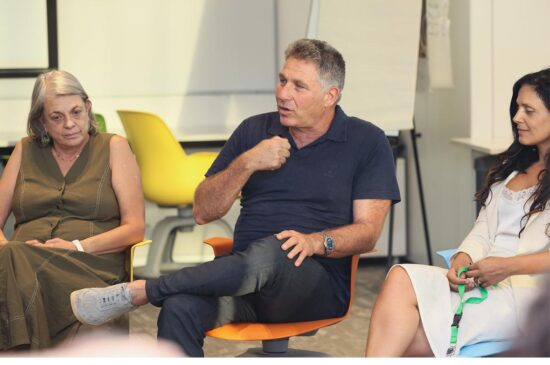 Prof. Yuli Tamir, Mandi Rabinovitz, Keren Bitan Shemesh
 Roi Mekler